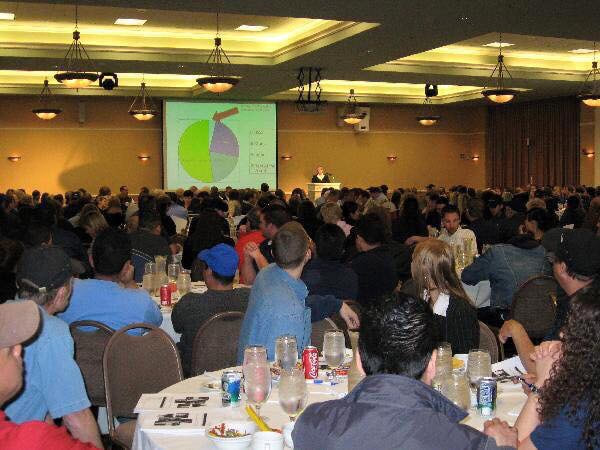
Donna Hickey Presents ... Id like to introduce you to my enterprise that specializes as a multifaceted service provider for most industries. With over 30 years in the trenches experience we are able to remain on the leading edge of training and marketing trends by continuing to work on-site with our clients, customers, co-workers and executive staff. In addition to our hands-on approach, we have ventured into the global community to bring learn-share techniques to our clients by providing training, coaching and consulting services to more than six continents. Many people and organizations can tout years of service, but can they walk-the-walk with a proven track record to match that of Donna Hickey Presents... !!! My team of professionals and I have walked the varied paths of training, and coaching ranging from sales specialist, customer service experts, generational leadership and challenges, living green and its application, market positioning, advertising and graphic design. Donna Hickey Presents... also provides keynote addresses, seminars and consulting services. Lastly, temporary hire & recruiting services. In addition to our broad range of services, we are also experts in the housing industry with a concentration in generational management, marketing and training. For the first time in history we must meet the demand of four different generations as our potential residents, current residents and employees. We delve into this phenomenon and focus on each generations characteristics to bring you a higher qualified applicant, valued long-term resident and satisfied employee.


Donna Blogs

Gossip and it's Destruction in the Workplace

A Harris Interactive poll recently asked more than 1,500 employed adults to name their biggest pet peeves about their jobs. Cited #1 by 60% of respondents, workplace gossip was the clear winner. Gossip seems to satisfy a deep-seated psychological need for self-esteem. What better way to pump up our image than by using negative talk to prove that we are clever and knowledgeable and otherwise superior to our colleagues and competitors. If spreading it provides perverse pleasure, so does listening to it — unless, of course, it's about ourselves. Though most gossip is benign in nature, it can easily spiral out of control into untruths that could cause another harm, pain or confusion.
 
So, why do people gossip? First let's look at the seemingly less harmful aspects. Gossip is generally a verbal medium to exchange casual information. But it also has roots in human socialization habits. People gossip to cultivate friendships. Gossiping is a way of developing a trust or rapport through the implied intimacy of sharing secrets. Gossip is also used to exert influence. Whether it is positive or negative information, it generally is used to sway perceptions or opinions about an individual. It is also used as a networking tool. All social animals know the value of meeting others and building friendships at work to propel their careers or businesses. By discussing matters of common interest there is bound to be some discussion of other people and their activities around and outside the workplace.
Workplace gossip often involves spreading rumor or misinformation. People who engage in this type of workplace gossip may do so for several reasons. Primarily, they may have a strong need to “fit in” and feel that gossip will help them achieve this. Unfortunately, gossiping often has the opposite effect. Those who gossip often suffer from low self-esteem, and think that talking about others or spreading rumors makes them feel important or powerful. In today's world where knowledge is power, the gatekeeper of the information, regardless of its veracity, has considerable power with which to exert their control. And, like all unhealthy behavior, gossiping ultimately does not increase self esteem or make the purveyor of the gossip feel more in control as people eventually become cognizant of their motivations and actions. Most people know that if someone is talking to you about someone, they are likely talking to someone else about you as well. Therefore, a good rule of thumb at the office would be to chose your friends wisely and keep your private life private.
Though, broader definitions of gossip extend to positive or neutral remarks that are focused on making conversation that is centered on the activities and behaviors of others outside the presence of that person, Peter G. Vajda, PhD. a business trainer and coach, characterizes gossip as a form of workplace violence. At first glance this might seem extreme, but consider how the workplace has increasingly become a venue where people are spending more time talking about someone else - in language that is most often hurtful, critical, demeaning and judgmental - again without the one who is the subject of the conversation present. He says that gossip is essentially a form of attack, which often arises from an individual's conscious and unconscious fears.
Roughly 65 percent of people's discussions are gossip in nature-often to entertain or help strengthen group ties. However, in the workplace gossip can have dreadful consequences. It causes cuts in productivity and erodes trust and team morale. Anxiety among employees is increased as rumors circulate in the absence of any clear information network. Divisiveness rises among employees as people feel the need to take sides. People's feelings and reputations are hurt and damaged. Chances for career advancement for both the person gossiping and the subject of the gossip are jeopardized. And valuable employees are less likely to remain in an environment with a toxic atmosphere.
 
At one time or another, most of us have engaged in one of these types of gossip. But workplace gossip causes a great deal of harm and impacts both the individuals involved and the organization as a whole. Next time you find yourself in situation where you're speaking about someone and you're not sure what constitutes gossip ask yourself the following questions:
 
Is what I am about to say true?
Is it harmless?
Is it necessary?
How would I feel if someone said something similar about me?
Would I want my words quoted in the daily paper or company newsletter tomorrow?
How am I going to feel later if I say this? (or listen to this)
Does gossiping honor my own person values?
 
It's easy to get drawn into the gossip circle, and often difficult to resist. Here are some tips to avoid getting involved in non-productive and often destructive gossip. It takes a conscious decision not to participate in the workplace rumor and gossip mill. Then it requires discipline to stick to your guns and take a stand. If co-workers attempt to draw you into their gossip, let them know directly that you aren't interested in participating in this type of conversation. You don't have to be critical or judgmental, but must be clear about your own feelings of discomfort talking about something or someone when you don't have all the facts, and excuse yourself from the conversation.
 
This action will serve several purposes. It will send a message to the gossipers that what they are doing is unacceptable. Others who feel the same as you will be more likely to follow your lead and not become involved with the gossip, thus removing the captive audience. Lastly, you will feel good that you have said “no” to something that wastes time and could cause harm.
 
Although it would be impossible to eradicate workplace gossip completely - and doing so would only drive it underground - managers and companies should do their utmost best to keep it in check. Innocent or malicious in spirit, gossip about co-workers is at best a foolish waste time and a potential source of liability for both managers and the company. In addition to the act of gossiping being a waste of time, the productivity by the person who is the subject of the gossip can worsen depending on nature of the rumor. If the gossip is of a sexual nature, local harassment or discrimination laws might have been violated. If what has been said can be proven untrue and derogatory, it could be ruled to be slander. And lastly, if senior management is aware of harmful gossip and does nothing to stop or mitigate its spreading, it is a sorry statement of its personnel management and demonstrates a complete breakdown of management. If something like this going on unchecked, then chances are that management is probably looking the other way at other kinds of inappropriate behavior, as well. Unfortunately, in plenty of offices, the boss is part of the problem. Sam Chapman, CEO of Empower Public Relations started his own PR firm after leaving another firm where the gossip was out of control. He says, “Gossip is poison and sometimes it seeps into the whole culture of the company. If that's the case, just get away from it. Start looking for another job.”
 
If you really want to fix the problem, senior management has to be committed. You must get all employees and new hires to agree not to say anything about anyone that they wouldn't say if that person were in the room and to go talk to the person instead. “If you have a problem with Jane, go and talk to Jane about it. Don't tell me.” Lead by example. Don't spread gossip and if anyone tries to tell you some, politely suggest they take if up with the person it concerns. Then change the subject. Additionally, lines of communication about workplace issues must be opened in a legitimate forum like a newsletter or email updates. Gossip rushes in when there is a vacuum of information. In the absence of official information, speculation and rumors flourish. Finally if all else fails and you are able to identify individuals who are the source of the gossip, you may have to speak to them privately and individually. Explain the problems that have been caused and how eventually the gossips themselves will become victims of it. Then if the problem persists, you may have to make this a performance issue, since it can affect productivity and team cohesiveness.
 
Much is to be gained by turning down the opportunity to gossip while at work. And it's not as hard as you may think. With conscious effort and conviction, you can do your part to derail the harmful effects of destructive gossip and keep the work environment healthy and happy for all.
 
Since 1979 Donna Hickey has been focused on improving workplace personnel issues and working environments. As a professional speaker, author, and consultant Donna has written many articles, conducts seminars and corporate workshops relating to people skills development. Her popular and most sought after “Generations at Work and Why They Collide” illustrates workplace challenges and solutions. For a preview, contact our offices at 708-807-9260 USA.


© 2008 DONNA HICKEY  (708) 807-9260   All rights reserved.                                                                        Creative design by ellipseinc.com